This article was created with AI technology for the purposes of educating readers living in remote communities without convenient access to a physician or a physical therapist. The content of this article was reviewed before publication, by Canadian Orthopaedic Physiotherapist Terry Kane
The content in this article is not a substitute for seeing a licensed physician and readers are encouraged to see a physician or physical therapist as soon as possible if they experience increased pain.
The hands are one of the most useful parts of the human body. People use their hands every day for writing, eating, lifting, typing, playing sports, and many other activities. Each hand contains many bones, muscles, tendons, ligaments, and nerves that work together to create movement. Because the hands are used so often, they can easily become injured. Some hand injuries happen suddenly during accidents, while others develop slowly from repeated movements. Understanding common hand injuries can help people recognize symptoms and seek proper treatment. Here are the top five hand injuries and how they are treated.

1. Finger Fractures
A finger fracture means one of the bones in the finger is broken. Finger fractures are common because the fingers are often exposed during sports, falls, and accidents. A finger can break if it gets jammed by a ball, crushed in a door, or bent the wrong way.
Symptoms of a finger fracture include pain, swelling, bruising, and trouble moving the finger. In some cases, the finger may look crooked or out of place.
Doctors usually use X-rays to confirm a fracture. Mild fractures may heal with a splint or buddy taping, where the injured finger is taped to a healthy finger for support. Ice and rest can reduce pain and swelling. More serious fractures may require surgery to place pins or screws in the bone. Physical therapy exercises are sometimes needed after healing to restore movement and strength.
2. Trigger Finger
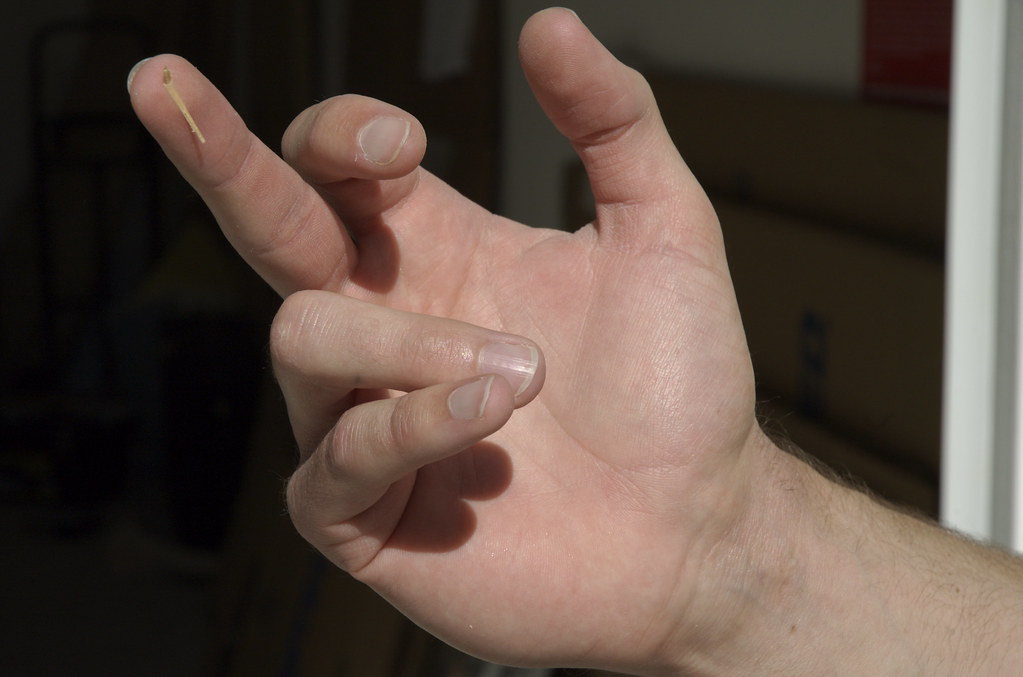
Trigger finger is a condition that affects the tendons in the fingers or thumb. Tendons help the fingers bend and straighten. In trigger finger, the tendon becomes irritated and may get stuck when the person tries to move the finger.
People with trigger finger may notice stiffness, pain, or a popping feeling when bending the finger. Sometimes the finger locks in a bent position and suddenly snaps straight, similar to pulling and releasing a trigger.
Treatment often begins with rest and avoiding activities that strain the hand. Doctors may recommend wearing a splint to keep the finger straight while it heals. Anti-inflammatory medicine and stretching exercises can help reduce swelling. Corticosteroid injections are sometimes used to calm the irritated tendon. If the condition becomes severe, surgery may be needed to release the tight area around the tendon.
3. Hand Tendon Injuries
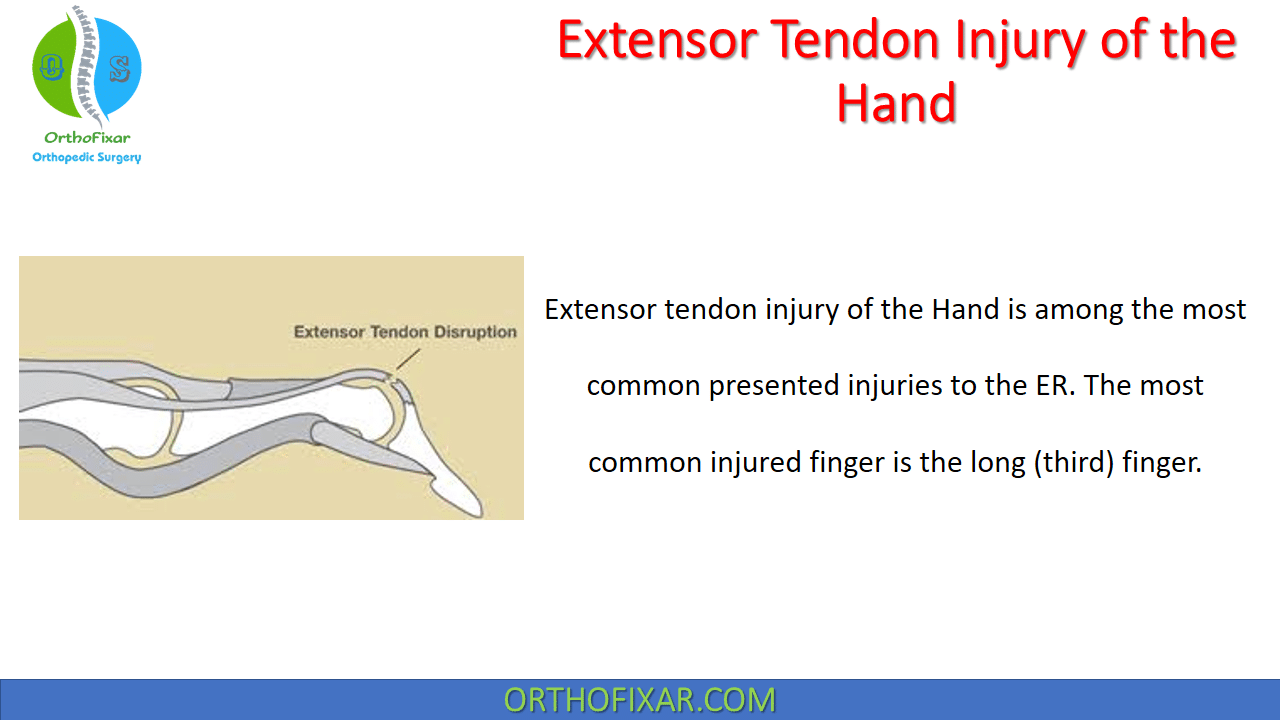
Tendon injuries in the hand can happen when a tendon is cut, torn, or stretched too far. These injuries often occur during sports, workplace accidents, or cuts from sharp objects. Tendons are important because they allow the fingers and thumb to move properly.
Symptoms include pain, swelling, weakness, and difficulty bending or straightening the fingers. In severe cases, a person may not be able to move the injured finger at all.
Treatment depends on the type of injury. Minor tendon strains may heal with rest, splints, and physical therapy. Severe tendon tears usually require surgery to repair the damaged tendon. After surgery, patients often wear a special splint and work with a hand therapist to regain movement. Recovery can take several weeks or months.
4. Dislocated Fingers
A dislocated finger occurs when the bones in the finger move out of their normal position. This injury often happens during sports, falls, or accidents. Fingers can become dislocated if they are bent backward or hit with strong force.
A person with a dislocated finger may feel sudden pain and notice swelling or bruising. The finger may look crooked or bent in an unusual way. Moving the finger can be difficult or impossible.
Doctors treat dislocated fingers by gently moving the bones back into place. This procedure is called a reduction. Afterward, the finger is usually splinted to keep it stable while healing. Ice and anti-inflammatory medicine may help reduce pain and swelling. Physical therapy exercises can help restore movement and strength. Surgery may be needed if the injury damages ligaments, tendons, or bones.
5. Carpal Tunnel Syndrome
Carpal tunnel syndrome is a common hand condition caused by pressure on the median nerve in the wrist. The median nerve controls feeling and movement in parts of the hand. Repeated hand movements, such as typing, using tools, or gaming, can irritate the nerve over time.
Symptoms include numbness, tingling, weakness, and pain in the thumb, index finger, and middle finger. Some people notice that symptoms are worse at night or after long periods of hand use.
Treatment usually begins with rest and wearing a wrist splint, especially during sleep. Avoiding activities that worsen symptoms can also help. Doctors may recommend anti-inflammatory medicine or corticosteroid injections to reduce swelling around the nerve. Hand and wrist exercises may improve movement and strength. Severe cases may require surgery to relieve pressure on the nerve.
Preventing Hand Injuries
Many hand injuries can be prevented by using proper safety techniques during sports, work, and daily activities. Wearing protective gloves or sports gear can help protect the hands from cuts and impacts. Stretching and warming up before exercise can prepare the muscles and tendons for activity. Taking breaks during repetitive tasks such as typing or gaming helps reduce stress on the hands and wrists.
Good posture and proper lifting techniques are also important. People should avoid carrying objects that are too heavy and should use tools correctly to reduce the chance of injury.
If hand pain, swelling, numbness, or weakness does not improve, medical care should be sought. Early treatment can prevent injuries from becoming more serious.
Conclusion
The hands are important for nearly every daily activity, so hand injuries can greatly affect a person’s life. Finger fractures, trigger finger, tendon injuries, dislocated fingers, and carpal tunnel syndrome are among the most common hand injuries. These conditions can cause pain, swelling, weakness, and trouble moving the fingers or hand. Treatments may include rest, splints, medicine, physical therapy, injections, or surgery depending on the injury. By understanding these injuries and practicing good hand care, people can keep their hands healthy and strong.