This article was created with AI technology for the purposes of educating readers living in remote communities without convenient access to a physician or a physical therapist. The content of this article was reviewed before publication, by Canadian Orthopaedic Physiotherapist Terry Kane
The content in this article is not a substitute for seeing a licensed physician and readers are encouraged to see a physician or physical therapist as soon as possible if they experience increased pain.
The thoracic spine is the middle part of the spine located between the neck and the lower back. It is made up of twelve bones called vertebrae. These vertebrae connect to the ribs and help protect important organs such as the heart and lungs. The thoracic spine also helps support the body and allows movement like twisting and bending. Even though the thoracic spine is stronger and more stable than other parts of the spine, injuries can still happen. These injuries may occur from sports, falls, poor posture, car accidents, or repeated strain. Learning about common thoracic spine injuries can help people understand symptoms, treatments, and ways to prevent serious problems. Here are the top five thoracic spine injuries and how they are treated. thoracicspinetriage.com
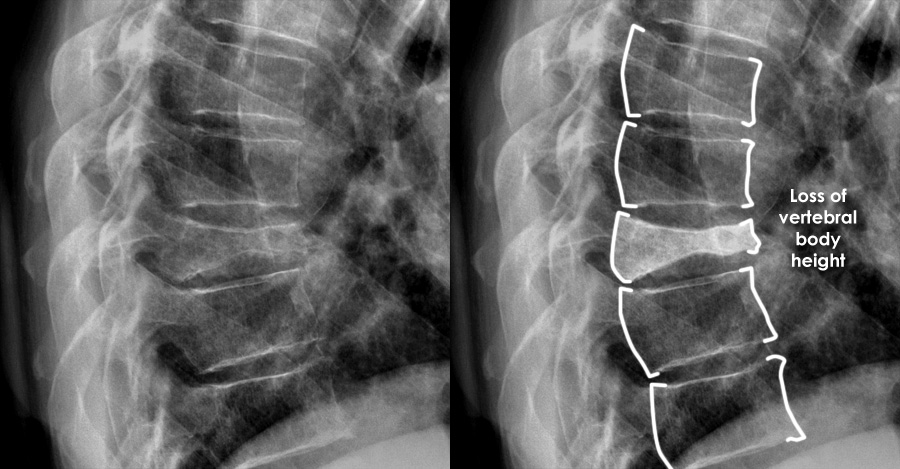
1. Thoracic Compression Fracture
A thoracic compression fracture is a break in one of the bones in the middle part of the spine, called the thoracic spine. This part of the spine is located between the neck and the lower back.
A compression fracture happens when a vertebra, which is one of the bones of the spine, becomes crushed or collapses. This can occur after a fall, a motor vehicle collision, a sports injury, or because the bone has become weak from osteoporosis.
Common symptoms of a thoracic compression fracture include:
- Sudden back pain
- Pain that gets worse when standing or walking
- Difficulty bending or twisting
- Muscle spasms in the back
- Reduced ability to do normal daily activities
Some people may also notice a change in posture, such as becoming more hunched forward, especially if multiple fractures occur over time.
Healthcare professionals may use X-rays, CT scans, or MRI scans to diagnose a compression fracture and determine how severe it is.
Treatment depends on the type of fracture and the person’s overall health. Many compression fractures can heal with rest, pain management, activity modification, and physiotherapy. Some people may need a brace to support the spine while it heals. In more serious cases, surgery may be required.
Recovery can take several weeks or months. Staying active within safe limits and following a rehabilitation plan can help improve strength, posture, and movement.
It is important to seek medical attention right away if back pain occurs after a significant injury or if there is numbness, weakness, difficulty walking, or problems controlling the bladder or bowels.thoracicspinetriage.com
Remember: Sudden back pain after a fall or injury could be a sign of a thoracic compression fracture and should be assessed by a healthcare professional.
2. Rib Fractures
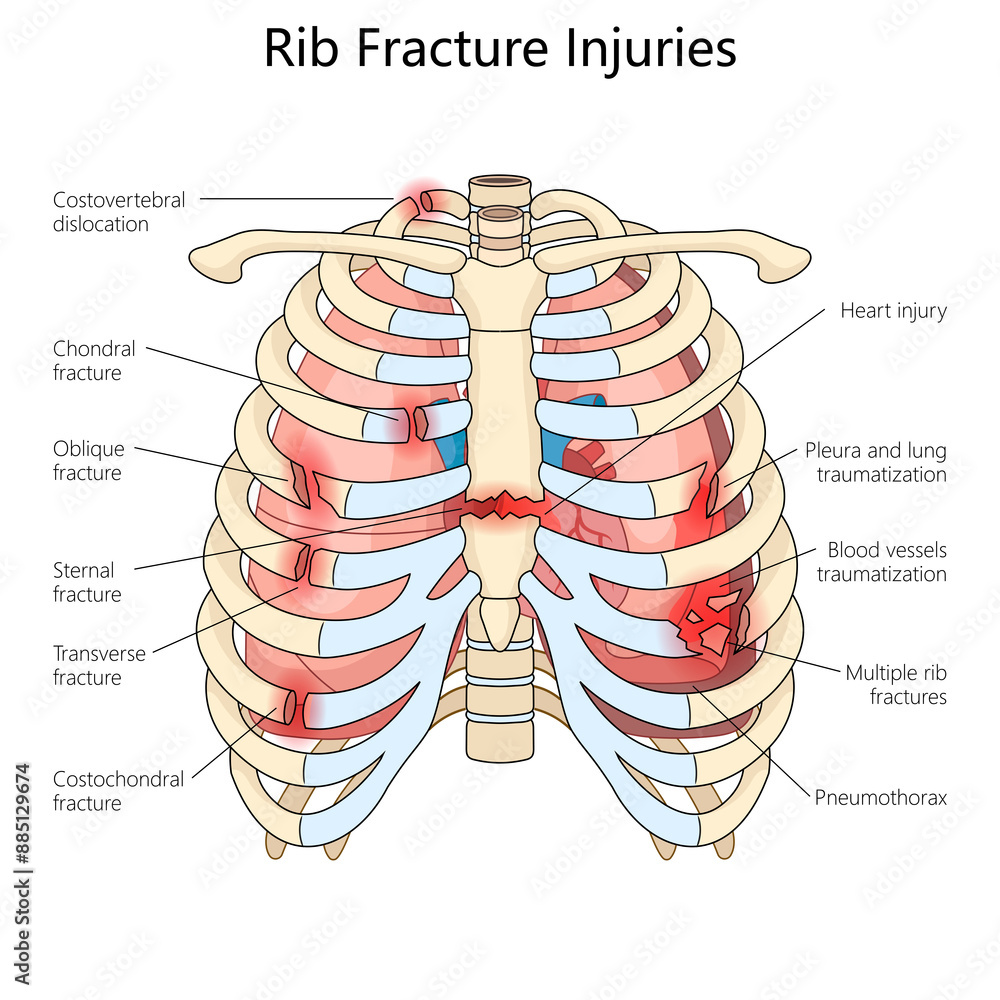
A rib fracture is a crack or break in one of the bones that make up the rib cage. The ribs help protect important organs such as the lungs and heart.
Rib fractures are commonly caused by falls, motor vehicle collisions, sports injuries, or a direct blow to the chest. In some older adults, ribs can also break from a hard cough if the bones have become weak from osteoporosis.
Common symptoms of a rib fracture include:
- Sharp pain in the chest or side
- Pain that gets worse when taking a deep breath
- Pain when coughing, sneezing, or laughing
- Tenderness when touching the injured area
- Difficulty taking deep breaths because of pain
Healthcare professionals may diagnose a rib fracture by examining the chest and sometimes using X-rays or other imaging tests.
Most rib fractures heal on their own within several weeks. Treatment usually focuses on controlling pain and helping people breathe normally. Deep breathing exercises are often recommended to help keep the lungs healthy and reduce the risk of complications such as pneumonia.
Staying active with gentle daily activities is usually encouraged, but heavy lifting and contact sports should be avoided until healing has occurred.
It is important to seek medical attention right away if there is severe shortness of breath, increasing chest pain, coughing up blood, dizziness, or signs of another serious injury.
The good news is that most rib fractures heal well with time, proper pain control, and gradual return to normal activities.thoracicspinetriage.com
Remember: Pain in the chest that becomes worse with deep breathing after a fall or injury may be a sign of a rib fracture and should be assessed by a healthcare professional.
3. Thoracic Herniated Disc
A thoracic herniated disc happens when one of the soft cushions between the bones of the middle back becomes damaged and pushes outward. These cushions are called discs, and they help the spine move smoothly and absorb shock lower back. A herniated disc in this area is less common than in the neck or lower back, but it can still cause pain and other symptoms.
Common symptoms of a thoracic herniated disc include:
- Pain in the middle back
- Pain that wraps around the chest or ribs
- Numbness or tingling in the chest, abdomen, or legs
- Muscle weakness
- Difficulty with certain movements or activities
A thoracic herniated disc can develop because of aging, wear and tear, poor posture, heavy lifting, or an injury such as a fall or motor vehicle collision.
Healthcare professionals may diagnose a thoracic herniated disc by asking about symptoms, examining the spine, and using imaging tests such as an MRI scan.
Many people improve without surgery. Treatment may include staying active, physiotherapy, exercises to improve strength and flexibility, and pain-relief strategies recommended by a healthcare professional.
In rare cases, a herniated disc can put pressure on the spinal cord. It is important to seek medical attention right away if there is significant weakness, difficulty walking, problems with balance, or loss of bladder or bowel control.
The good news is that many people with a thoracic herniated disc recover well and can return to their normal activities with the right treatment and rehabilitation.thoracicspinetriage.com
Remember: Pain in the middle back, especially if it spreads around the chest or causes numbness or tingling, may be a sign of a thoracic herniated disc and should be assessed by a healthcare professional.
4. Thoracic Facet Syndrome
Thoracic facet syndrome is a condition that causes pain in the middle part of the back. It occurs when the small joints between the bones of the spine, called facet joints, become irritated, inflamed, or injured.
The thoracic spine is the middle section of the back, located between the neck and the lower back. Facet joints help the spine move and bend smoothly. When these joints are not working properly, they can become painful.
Common symptoms of thoracic facet syndrome include:
- Pain in the middle back
- Stiffness when moving or twisting
- Pain that gets worse with certain movements
- Tenderness when pressing on the affected area
- Muscle tightness or spasms around the spine
Thoracic facet syndrome can develop because of poor posture, repetitive movements, arthritis, wear and tear, or an injury such as a fall or motor vehicle collision.
Healthcare professionals may diagnose thoracic facet syndrome by asking about symptoms, examining the spine, and sometimes using imaging tests to rule out other conditions.
Treatment often includes improving posture, staying active, physiotherapy, stretching, strengthening exercises, and pain-relief strategies recommended by a healthcare professional. These treatments can help improve movement and reduce discomfort.
Most people recover well with the right treatment and can return to their normal activities. Keeping the back strong and maintaining good posture may help prevent future problems.
It is important to seek medical attention if back pain is severe, follows a major injury, or is accompanied by numbness, weakness, difficulty walking, or other unusual symptoms. thoracicspinetriage.com
Remember: Pain and stiffness in the middle back that becomes worse with movement may be a sign of thoracic facet syndrome and should be assessed by a healthcare professional.

5. Thoracic Spine Sprain
A thoracic spine sprain occurs when the ligaments in the middle back become stretched or torn. Ligaments are strong tissues that connect bones together. Sprains often happen after sudden twisting, falls, or sports injuries.
Symptoms include pain, swelling, stiffness, and trouble moving the upper back. The pain may become worse with movement or deep breathing.
It is important to seek medical attention if back pain is severe, follows a major injury, or is accompanied by numbness, weakness, difficulty walking, or other unusual symptoms. thoracicspinetriage.com
Treatment usually includes rest, ice, and anti-inflammatory medicine. Gentle stretching exercises can improve flexibility and reduce stiffness. Physical therapy may help strengthen the back muscles and improve posture. Most thoracic sprains heal without surgery, but severe ligament damage may require more advanced treatment. thoracicspinetriage.com
Preventing Thoracic Spine Injuries
Many thoracic spine injuries can be prevented by practicing healthy habits. Good posture is very important because slouching places extra stress on the spine. Sitting up straight while using computers, phones, or tablets can help protect the upper back. Regular exercise and stretching improve flexibility and strengthen the muscles that support the spine.
People should use safe lifting techniques by bending their knees and keeping heavy objects close to the body. Wearing seat belts in vehicles and using protective sports equipment can also reduce the risk of serious injuries.
A healthy diet with enough calcium and vitamin D helps keep bones strong and may lower the risk of fractures, especially in older adults . thoracicspinetriage.com
Conclusion
The thoracic spine plays an important role in supporting the body and protecting important organs. Thoracic muscle strains, herniated discs, compression fractures, thoracic sprains, and kyphosis are among the most common thoracic spine injuries. These conditions can cause pain, stiffness, weakness, and posture problems. Treatments may include rest, medicine, braces, physical therapy, or surgery depending on the injury. By understanding these conditions and practicing healthy habits, people can help protect their thoracic spine and maintain a healthy back. thoracicspinetriage.com
Joint-Injuries.com
Types of fractures and how they are commonly managed